


Annapolis Historic Home Roofing: Dealing with Historic District Commission (HDC) Rules
Owning a historic home in Annapolis is special. But when it is time to repair or replace a roof, every decision runs through the Historic Preservation process. As an experienced Annapolis roofing contractor, K&R RoofMasters, Inc. helps homeowners choose HDC-friendly materials, prepare clean submittals, and keep projects moving while protecting the home.
If you need stabilization for a leak or damage while approvals are in motion, our team handles that as part of historic district roof repair. See how we approach careful repair work on our roof repair and maintenance page.
What The HDC Expects For Historic Roofs In Annapolis
The City’s preservation staff and Commission focus on what is visible from the public way. For roofs in Downtown and Murray Hill, that usually means the street-facing planes, ridges, and all gutters and downspouts. The goals are visual compatibility and long-term protection of historic fabric.
- Match the roof’s original look and profile wherever possible. Slate, standing seam metal, and wood were common on many older homes.
- Provide a color that reads historically appropriate. When replacing modern asphalt on a pre-1900 structure, a heavier, square-tab shingle in a muted tone may be considered if original materials are not feasible.
- Choose gutters and downspouts that fit the era. Half-round gutters and round or rectangular downspouts are common on older homes. Bare, mill-finish aluminum is typically not acceptable in the district, so plan on painted or copper finishes.
Tip: Bring color chips and manufacturer cut sheets that clearly show finish type. The review team needs to see how the roof, flashing, and gutter colors sit against your trim and brick or siding.
How To Streamline Your HDC Approval For Roofs And Gutters
Most historic roof projects move faster when the submittal is complete, specific, and easy to review. Here is the contractor-grade checklist we use for Annapolis homes:
- Labeled photographs: full front elevation, all roof planes, close-ups of problem areas, and views from the street and sidewalk corners
- Product data: slate or metal profiles, shingle style, thickness, fastener type, and underlayment details
- Color confirmation: physical samples or chips for roofing, flashing, gutters, and downspouts
- Drawings: simple plan showing roof planes and any new dormers, vents, or gutter reroutes
- Neighbor context: a couple of street shots showing adjacent homes and typical roof forms
- Structural letter: when switching to heavier materials, include an engineer’s note describing rafter capacity and any reinforcement
For like-for-like work that truly matches existing materials and appearance, staff may process an administrative Certificate of Approval. For changes visible from the street, or when materials differ, plan for a Commission hearing on the published schedule. Submitting a tidy, photo-rich packet with clear color samples is the single best way to avoid delays.
Structural Reinforcement For Heavier Historic‑Approved Materials
Historic charm often comes with lighter framing. Many Annapolis rafters were sized for wood or early metal, not for today’s thicker slate or copper assemblies. Before you switch materials, we evaluate:
Rafter size and spacing: Older 2x6 or 2x8 rafters at wide spacing may need sistering with new lumber, installation of purlins and struts, or a ridge beam upgrade. These upgrades increase capacity without changing visible character.
Sheathing: Original plank decks can be uneven or gapped. For slate and many standing seam systems, installers and manufacturers often call for tight, well-fastened decking. We commonly install new plywood over sound planks to create a smooth, solid base that accepts proper fasteners.
Connections and bracing: Hurricane clips, improved rafter-to-wall ties, and reinforced valleys matter in Annapolis because of coastal winds and nor’easters. These reinforcements live under the finished roof and protect the home without changing the look.
Thinking about slate? Review the profile and detailing on our slate roofing page. If metal better matches your block, read about profiles and seams on our standing seam metal roofing page.
Material Choices That Pass The Look Test
Slate: Timeless for Annapolis streetscapes. It offers crisp shadow lines and long service life when installed over a solid deck with copper or stainless flashings. Expect an engineer to verify rafter capacity before moving to slate from lighter materials.
Standing seam metal: Historic homes in Maryland often used terne or copper. Modern standing seam systems can achieve the same look with painted steel or copper while improving weather resistance. Keep seam spacing and panel width consistent with neighboring homes for better compatibility.
Wood shingles: Some houses call for sawn wood shingles. Where allowed, choose a fire-rated product and match the historical coursing pattern. Placement on non-street-facing planes can help when the HDC is concerned about visibility.
Asphalt shingles: When historic materials are not feasible, heavier, square-tab shingles in subdued colors can read closer to original roofs than high-contrast architectural patterns. Provide real samples for color approval rather than relying on printed brochures.
Roof Details That Often Trigger Comments
Little details can make or break a review. We address these early so your packet answers common questions before they are asked.
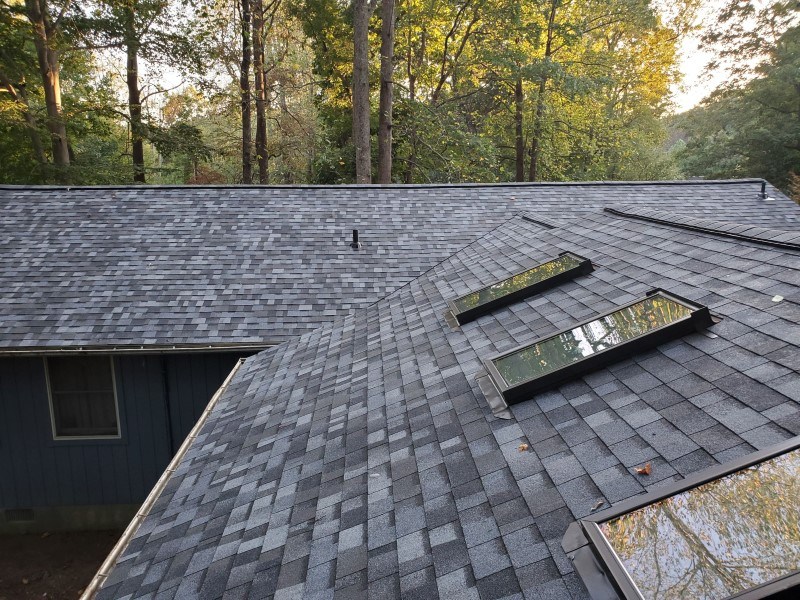
Skylights and vents: Street-facing skylights are often discouraged. Place new penetrations on rear slopes and use low-profile venting. Align caps and snow guards cleanly with seams or courses.
Flashing and metals: Copper or painted metal that matches the roof is usually favored. Bare mill-finish aluminum flashing, gutters, and downspouts are typically not approved in the historic district.
Gutters and downspouts: Half-round profiles with round or rectangular downspouts fit most Annapolis homes from this era. Match the finish to your roof or trim so the system blends with the façade rather than standing out.
Our Local Process In Downtown And Murray Hill
We start with a site walk to review roof planes from the street, note any sagging rafters, and map water paths to place gutters and downspouts correctly. Then we build a photo log and assemble product data with color samples that fit your block’s character. If the project involves heavier materials, we bring in a structural engineer to confirm rafter and deck capacity before we finalize the submittal.
Next, we prepare the Historic Preservation application. For true replacement-in-kind, staff may process it administratively. Otherwise, we schedule your hearing, attend with you, and answer technical questions about materials, fasteners, and reinforcement.” During review, our production team plans staging and protection for narrow streets and brick walks common throughout Downtown and Murray Hill.
Once approved, we coordinate work around Annapolis weather. Spring pollen and summer humidity can affect finish quality, and fall storms off the Bay bring wind-driven rain. Our crew sequences tear-off and underlayment to keep the house dry and safe at every step.
While your long-term replacement is in the queue, we can stabilize active leaks and protect interiors. Learn how our technicians approach careful repair work on the roof repairs and maintenance page.
Want to see our broader capabilities? Start from our homepage and choose a service with a trusted Annapolis roofing contractor who works in the historic district every week.
Ready To Protect Your Historic Roof The Right Way
Whether you are planning a historic home roof replacement in Annapolis or a targeted, HDC-friendly repair, K&R RoofMasters, Inc. is ready to help. Call us at 443-433-6202 to schedule a site walk, or tell us about your project and we will prepare a clean, complete HDC submittal. If your roof needs immediate attention, ask about a same-week stabilization visit so you can move forward confidently with your review and approvals. Let’s protect your investment with work that looks right on your block and lasts through Chesapeake weather. Start today with a careful assessment from our team.
Request a historic-safe repair plan and talk with an expert at K&R RoofMasters, Inc. at 443-433-6202.